Nick Gentile
Originally Published on Substack
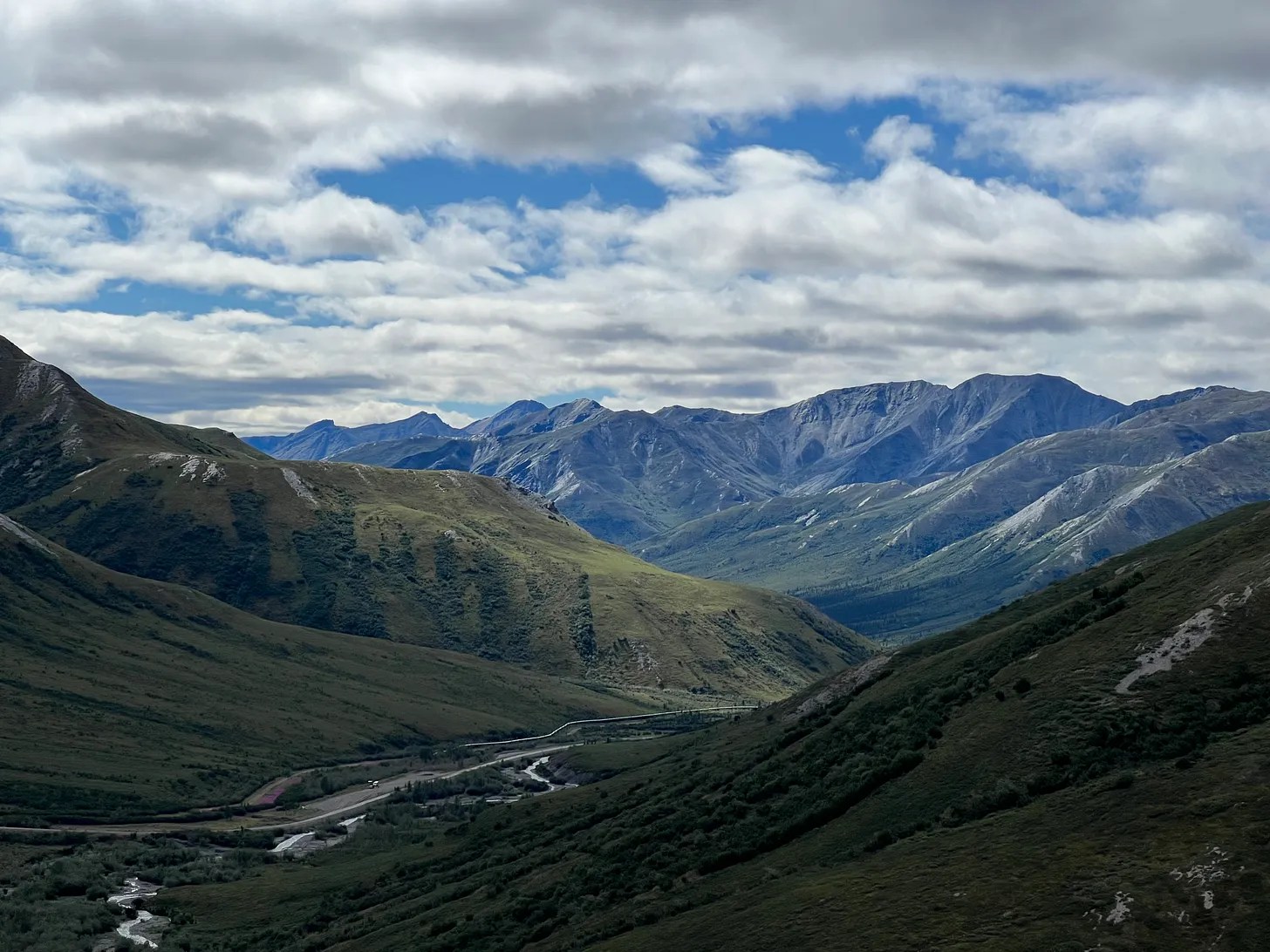
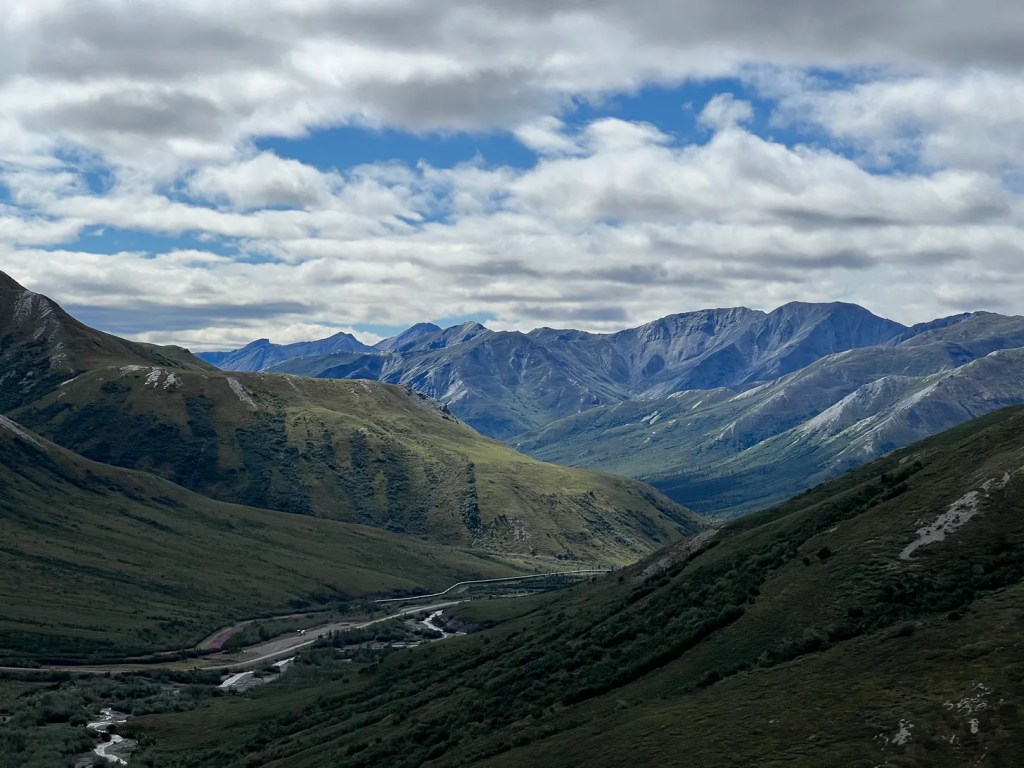
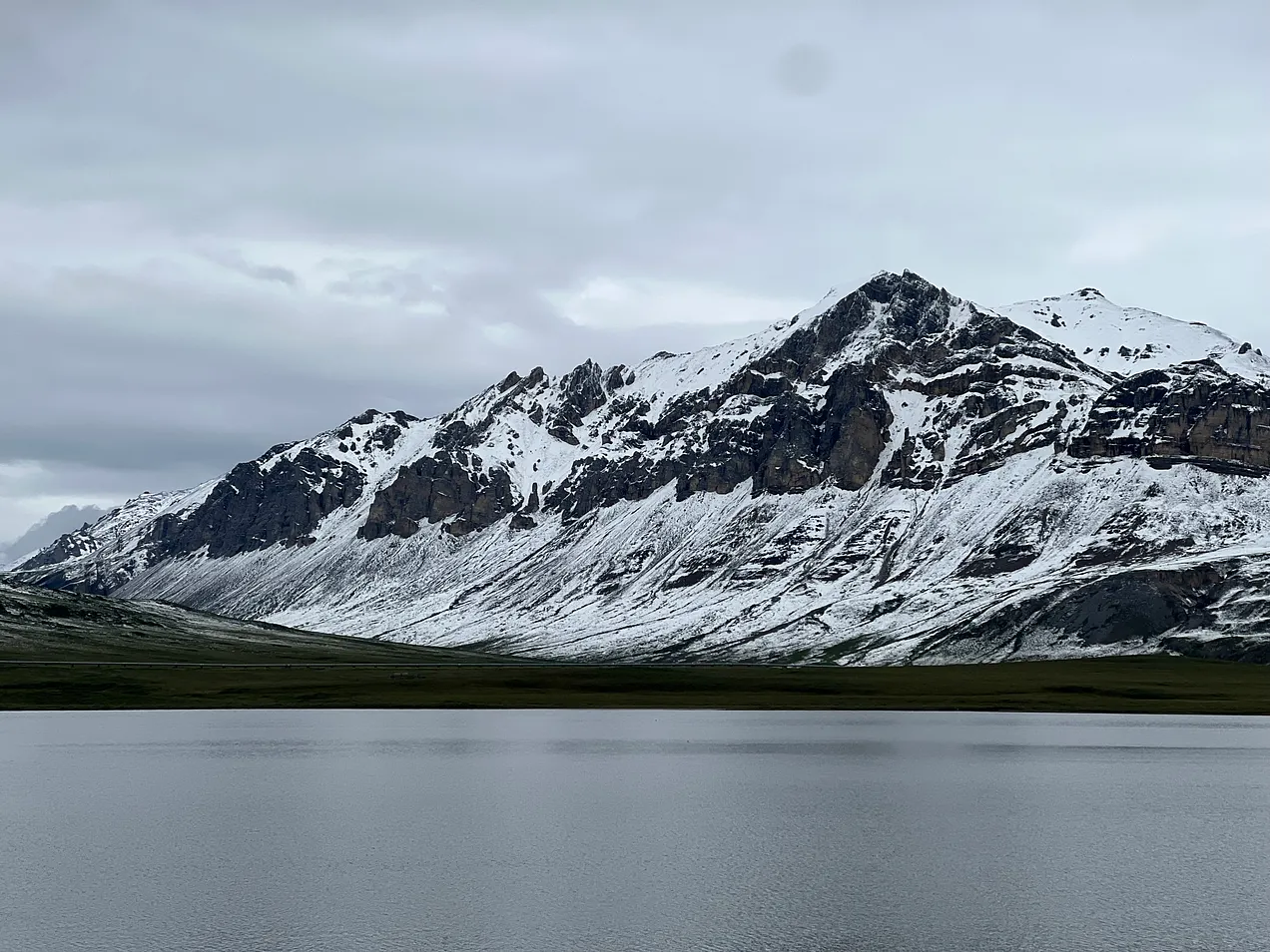
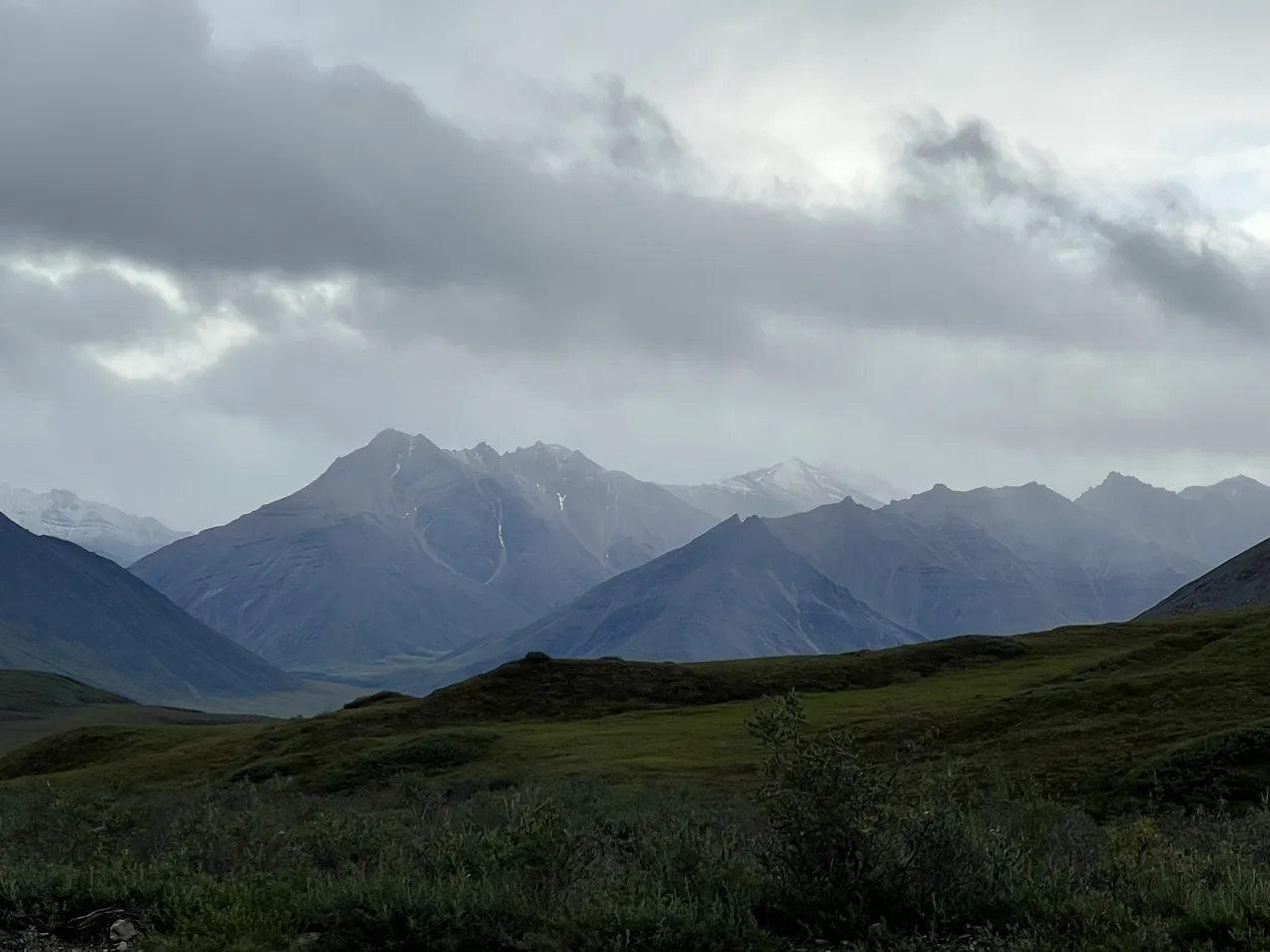
My connection to Alaska’s expansive wild landscapes began in the summer of 2022, when I joined a trail crew traveling across the state to complete environmental projects. I spent months immersed in the land, crossing rivers, climbing ridgelines, and camping beneath mountains so vast that one cannot fathom their true monumentality. One night in Denali State Park, I heard a single loon call across the water of a lake. Later that summer, I watched the midnight sun hover over the tundra, refusing to set. I stood atop a peak in the Brooks Range looking out over the endless expanse of untouched wilderness. It was one of the most profound experiences of my life.
That land, that silence, and that vastness are now under threat by Donald Trump and mining companies’ business interests.
The Ambler Road, formally known as the Ambler Mining District Industrial Access Project, is a proposed 211-mile industrial highway that would run along the southern flank of Alaska’s Brooks Range, linking the remote Ambler Mining District to the already-established Dalton Highway, the latter of which is the primary connection to the oil fields of Prudhoe Bay. The project, led by the Alaska Industrial Development and Export Authority (AIDEA), is designed to give mining companies access to large deposits of copper, cobalt, and other minerals buried beneath Alaska’s tundra, allowing the transport of heavy machinery, supplies, and ore. AIDEA promotes the privately-owned industrial road as an engine for economic growth and resource independence. In truth, it is an ecological and cultural disaster waiting to happen.
The proposed route would slice across a mosaic of lands managed by different jurisdictions, such as the Bureau of Land Management, the National Park Service, Alaska Native corporations, and the state of Alaska itself. It would cross through or near the southern portion of Gates of the Arctic National Park and Preserve, one of the wildest and most remote protected areas left in North America. Such a road would place industrial infrastructure like bridges, crossings, and utility lines into landscapes often presumed off limits to heavy development. This region is fragile beyond measure. Shifting underground permafrost, endless rivers and wetlands, and millions of acres of tundra ecosystems are already being reshaped by climate change. A highway of this intention would accelerate the damage dramatically. Roads in the Arctic do not simply flatten ground, as they tend to do elsewhere; they alter water flow, thaw permafrost, and release ancient trapped carbon into the atmosphere. Once the tundra’s frozen balance is disturbed, it is essentially lost forever.
In 2020, after decades of study and public comment, the Bureau of Land Management (BLM) released an Environmental Impact Statement (EIS) approving the “preferred alternative” route plan for Ambler Road’s construction. The decision included access through BLM and National Park lands. In response, environmental groups and Alaska Native organizations successfully challenged the decision, arguing that it ignored the full extent of potential harm to local wildlife and, most especially, it ignored the likely impact to many native communities’ subsistence hunting practices. A new, more comprehensive review was court-ordered, and when the Supplemental Environmental Impact Statement (SEIS) was released in April 2024, its findings were unequivocal: the project would cause extensive and irreversible damage to the landscape and local people. The review determined that 66 Alaska Native communities would experience negative impacts on subsistence hunting and fishing, more than double the number identified in the original report. Additionally, over 3,000 stream crossings would threaten the region’s aquatic ecosystems.
The BLM subsequently selected the “No Action” alternative, halting the project. Many hailed it as an environmental victory.
But the celebration would not last. In October 2025, President Trump reversed that decision with an executive order directing agencies to reapprove the Ambler Road on the grounds of national mineral security. It ordered permits to be issued within 30 days and required the US government to invest a 10-percent stake, or $35.6 million, into the project. The White House fact sheet claims that the road is “in the public interest” and that no economically feasible alternative routes exist.
It is hard to imagine a more short-sighted move. One of the clearest ecological risks is to caribou populations, especially the Western Arctic Herd. These herds number in the hundreds of thousands and follow long-established migratory routes through the region. The SEIS warned that the road would disrupt those corridors and fragment critical habitat. These animals avoid industrial noise and human infrastructure, and a 200-mile corridor of heavy industrial traffic would sever their routes, breaking ancient migratory patterns that define the entire northern ecosystem. And it’s not just caribou. Predators, migratory birds, smaller mammals, and aquatic species all rely on coherence and balance in the landscape. An industrial road cuts natural continuity. The land the road would cross over also rests on permafrost – permanently frozen ground – which insulates soils and stabilizes the environment. Once disturbed, thawing can lead to subsidence, erosion, and waterlogging, meaning continuing maintenance on the road will be required. The SEIS acknowledges that disturbed soils may not fully reclaim and may release stored carbon. Given the present warming of the climate, this kind of disturbance encourages a positive feedback loop, only accelerating the damage.
This is not just a wildlife issue. Many Alaska Native communities rely on caribou and fish for food and cultural continuity. The BLM’s own data show that the road would threaten their ability to hunt, fish, and gather, practices that sustain both body and spirit. For many villages, those traditional practices are a foundation of food security, culture, and identity. Loss of access, reduced wildlife availability, or degraded rivers would harm the ability to maintain those traditions. Multiple tribal councils and Indigenous organizations have been and continue to be vocally opposed the project.
Once infrastructure is built, the pressure for expansion becomes relentless. As mineral deposits develop, additional spur roads, growth of mining operations, and increasing traffic would surely follow. The notion that this road will remain “private” for decades is not credible; the SEIS itself warns of the foreseeable public use pathway. Building this corridor would open gateways into previously restricted terrain and redefine what we consider acceptable in wilderness protection. Wilderness itself is best summed up as “undisturbed.”
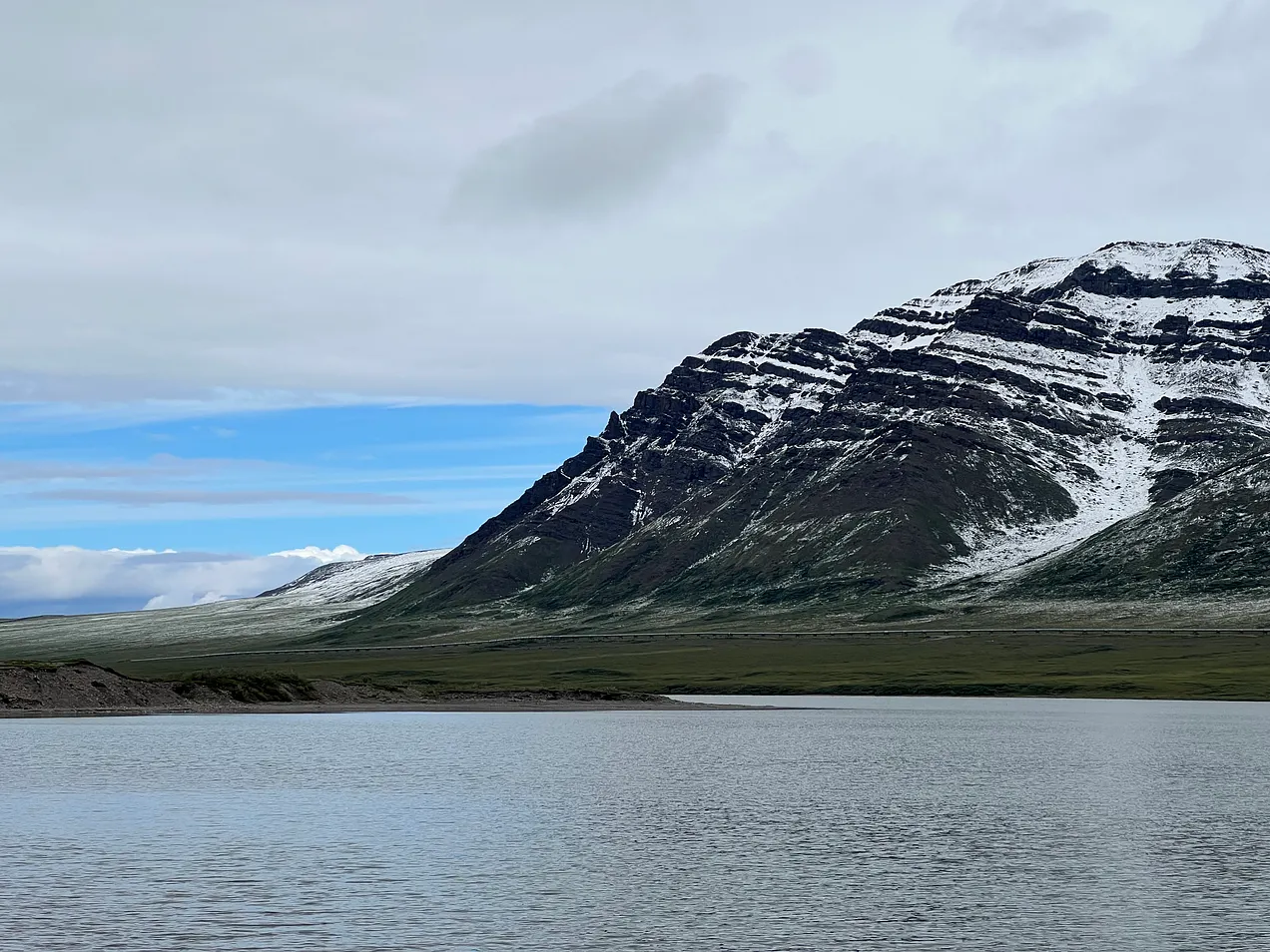
Proponents of the road claim that it is essential to develop minerals, such as copper and cobalt, that are critical to a clean energy transition. They insist that Ambler Road would bring employment, boost mining revenue, and reduce freight costs. But those gains would likely be short-lived. Alaska’s remoteness and high living costs indeed pose real challenges, but a green future built on the destruction of wilderness and Indigenous lands is not sustainable and does not justify destroying a unique and irreplaceable landscape. It is simply another form of exploitation. There are other ways to source these minerals.What is unique about the Ambler project is not the ore beneath the soil; it is the wilderness above it. Once an industrial road cuts through that landscape, it opens the door to more mining, more traffic, and more permanent scarring. History shows that roads rarely remain private or temporary. The Dalton Highway is an excellent example of this, as it was originally intended to be a private trucking road to the northern oil fields. It has since become open to the public, granting access to caribou hunting in the North Slope. The SEIS warns that unauthorized access, expansion, and collateral use are reasonably foreseeable and would exacerbate harm.The Brooks Range represents one of the last intact, undeveloped, roadless mountain ecosystems on Earth. It is a place where rivers still run clear, where silence still carries meaning, and where the human footprint remains faint if not nonexistent. We lose more than a view if we cut a highway through that landscape. We lose a principle: that some places are valuable simply because they remain wild.The Bureau of Land Management made the right decision in 2024 by choosing no action. The Ambler Road would be a wound that never heals, sacrificing one of our last true wilderness regions for short-term economic gain. Legal challenges must hold agencies accountable under NEPA, ANILCA, the Clean Water Act, and treaty/trust responsibilities to Indigenous peoples. The executive order reversal cannot override these protections without due process.I have stood on that tundra peak in the Brooks Range and looked out into a land that felt alive. I watched the midnight sun hang in the sky. I have experienced what it means to be in true wilderness. Those moments are not just memories but stakes in a broader fight for environmental justice. If the Ambler Road is built, that silence will be broken forever. Migration corridors will fracture, rivers may muddle, permafrost will thaw, and communities will lose critical subsistence lifelines. What is on the line is not just scenery, but integrity – ecological, cultural, moral.The 2024 decision to reject the road was correct. But now it hangs in the balance. We must not permit this corridor to scar Alaska’s last great wild places. Not one inch of ground should be broken for this project.
References
Trump approves Ambler mining road to boost Alaska copper, zinc production – Anchorage Daily News

